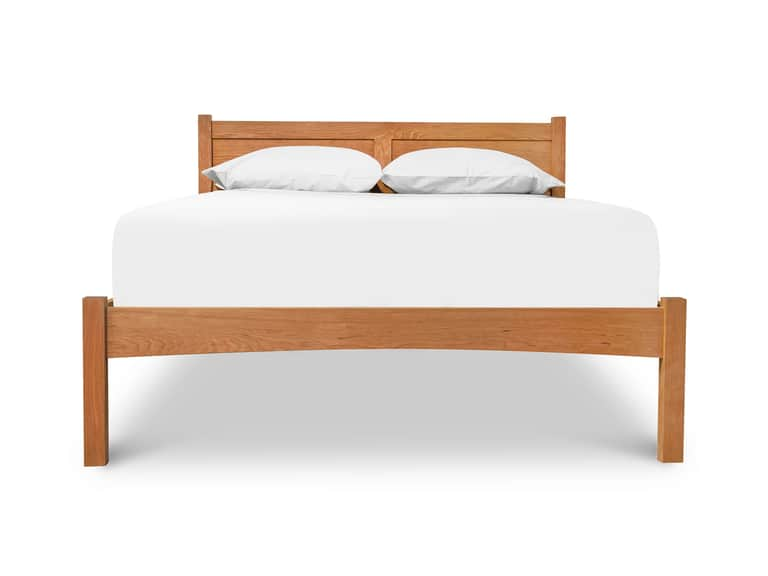
Bedroom furniture supports rest, storage, and everyday comfort, with the bed serving as the room’s central functional piece. Choosing a frame involves considering its proportions, construction, and relationship to the mattress and bedding. A well-matched setup can help create a practical sleep space while leaving room for pillows, bedside furniture, and movement.
The Essex High Footboard Bed features a taller footboard that gives the frame a more defined, traditional outline. Its raised end can visually anchor the bed and help distinguish the sleeping area within a bedroom. When assessing this style, consider room dimensions and how the footboard’s height relates to the mattress and surrounding furnishings.
The Essex Low Footboard Bed has a lower footboard, creating a more open appearance at the foot of the bed. This design may suit rooms where a less enclosed silhouette is preferred or where visual openness is important. Comparing the high and low versions helps clarify how frame proportions affect both the room’s look and everyday use.
Bedroom furniture should be considered alongside mattress size and type to support a compatible sleep arrangement. Organic mattresses, latex mattresses, and organic crib mattresses have distinct materials and intended uses; a crib mattress, in particular, is designed for an infant sleep space rather than an adult bed. Check product dimensions and specifications when planning a coordinated room.
Bedding and pillows contribute to comfort and help complete a bedroom’s practical setup, while the bed frame provides its structural foundation. Consider how linens, mattress height, and footboard design work together, as these details influence access and appearance. Clear measurements can also help determine whether a bedroom layout accommodates furniture without obstructing pathways.
 Furniture