Bedding Guide
Vispring’s Cotton-and-Wool Bed Protection: Comfort, Fit, and Care
A mattress protector should do its quiet work without turning the bed into something else. Vispring’s quilted layer combines a cotton outer with British wool filling, adding a little softness while helping shield the mattress from everyday perspiration and wear. Its comfort depends not only on the materials, but on a suitable fit and careful washing.
Published November 27, 2026
Most bedding earns notice only when it fails: a pad creeps out of place, a surface feels clammy, or a spill reaches the mattress below. A well-chosen protector is different. It is meant to sit between the mattress and the fitted sheet, largely unnoticed, helping preserve the bed while keeping its original feel intact.
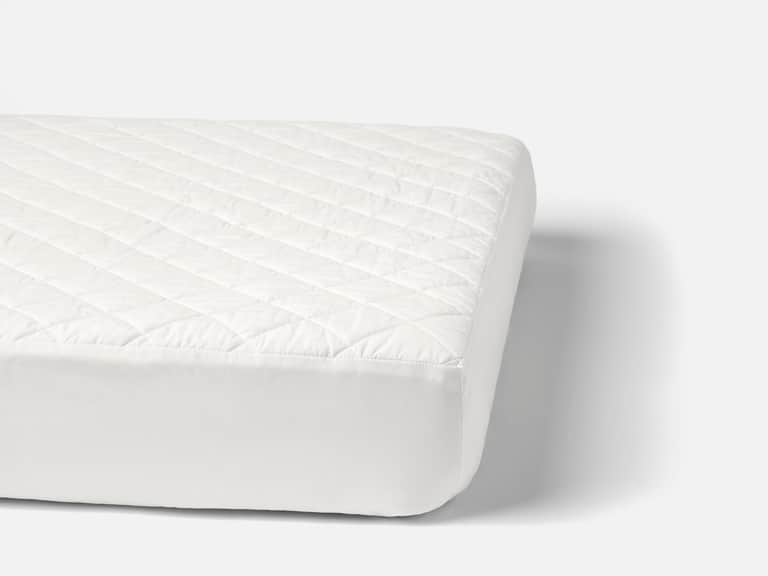
Vispring’s Lux Skirted Mattress Protector takes a restrained approach. Its construction pairs a cotton outer with British wool filling, quilted into a washable layer. A fitted pocket and elasticated skirt are designed to hold it in place. The result is protection with a degree of cushioning, rather than a bulky topper intended to remake the mattress.
That distinction matters. A protector is primarily a practical layer: it can help reduce the effects of perspiration, body oils, minor spills and ordinary wear. It is not a replacement for a mattress, a fix for a worn-out sleep surface, or a guarantee against every kind of moisture. Understanding its materials, dimensions and care requirements makes it easier to decide whether it belongs on your bed.
What the cotton-and-wool construction offers
The Vispring protector uses cotton on the outside and British wool as its filling. Each material has a different role. Cotton gives the surface a familiar textile hand, while wool adds loft and a softly cushioned quality. Together, they create a layer that can make a mattress feel slightly more welcoming without the pronounced change associated with a thick foam topper.
Wool is often selected for bedding because it can absorb and release moisture as part of its natural behaviour. That property may help the bed feel more balanced for some sleepers, although comfort is personal and depends on the room, bedding, mattress and individual. It is more useful to think of wool as a breathable natural filling than as a cooling device with a guaranteed effect.
The cotton exterior also matters in daily use. It is the part closest to the sheet and the surface most likely to encounter routine contact. In a quilted protector, stitching holds the filling in place and helps distribute it across the pad. The construction is intended to provide a soft protective layer, not to deliver firm structural support or correct spinal alignment.
Natural materials can appeal to people who prefer to understand what makes up their bedding. Still, “natural” does not automatically mean maintenance-free, waterproof or suitable for every sensitivity. The useful questions are concrete: what is the filling, how does the protector fit, how should it be cleaned, and will those details work with the mattress already in the room?
A protector, a pad and a topper are not quite the same
The words used for bedding layers can blur together, but their intended jobs differ. A mattress protector is generally chosen to help guard the mattress from routine contact and soiling. A mattress pad usually adds some cushioning as well as a degree of protection. A topper is typically thicker and chiefly used to change the feel of the bed—adding softness, pressure relief or a different surface response.
Vispring’s quilted wool-filled design sits near the boundary between protector and lightly cushioned pad. Its purpose is protection, but its filling brings a gentle layer of comfort. It should not be expected to transform a firm mattress into a plush one or to erase a noticeable dip. If the main aim is to alter firmness, compare dedicated toppers and consider the mattress’s condition before adding another layer.
Nor should a fabric-and-wool protector be assumed to be waterproof. The product information describes a washable barrier against everyday spills, stains, body oils and perspiration, but does not identify a waterproof membrane. For frequent spills or a specific need for liquid containment, check the product specification and care label carefully. Protection is only useful when it matches the risk you are trying to manage.
Why fit is part of comfort
A carefully made protector can still disappoint if it does not suit the mattress dimensions. A loose or shallow fit may shift as sleepers move, leaving wrinkles beneath the sheet. A tight fit may strain seams or make the corners difficult to secure. The Vispring version is designed with a fitted pocket and a fully elasticated skirt, intended to hold the quilted pad in position.
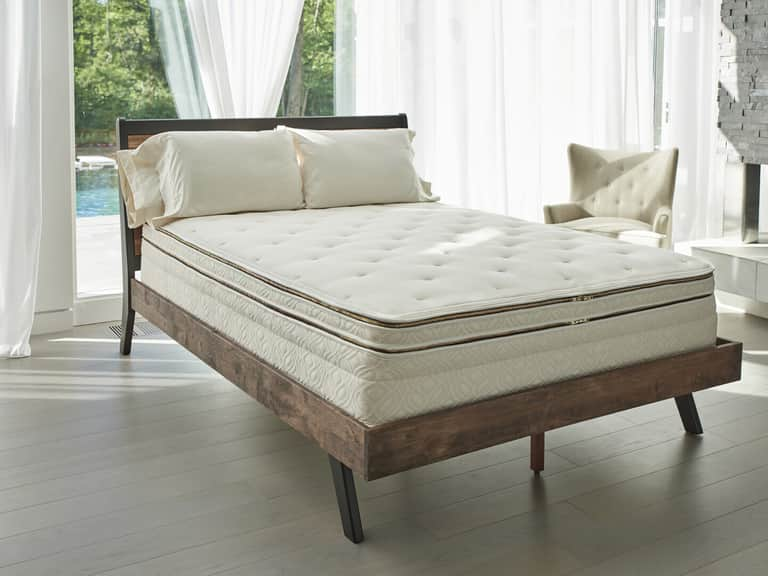
The listed pocket depth is 13.75 inches. Before ordering, measure the mattress from its base to the top of the sleeping surface, including any permanent pillow-top construction. Do not include a separate topper unless the protector is meant to cover both. Mattress heights can vary even within a familiar size name, and a nominal Queen or King measurement does not tell you the depth.
- Measure the mattress height: Check the deepest point and include built-in cushioning.
- Confirm the size: Match the protector to the mattress dimensions, not just the bed frame.
- Consider added layers: A thick topper can change how much pocket depth is needed.
- Check placement: Smooth the protector over the surface and confirm the skirt sits evenly around the mattress.
Once fitted, the protector should lie flat rather than pulling sharply at the corners. If the mattress has an unusual profile or a depth close to the stated pocket measurement, confirm compatibility before use. A secure fit is more than a finishing detail: it helps keep the surface even and reduces the nuisance of repeatedly remaking the bed.
How it may change the feel of a bed
Any layer placed over a mattress can influence how the sleep surface feels. The Vispring protector’s wool filling and quilted construction introduce some softness, but the change is intended to be modest. That makes it a reasonable consideration for someone who wants a little extra cushion while keeping the character of the mattress, rather than substantially altering it.
Side sleepers often notice pressure around the shoulder and hip first, while back sleepers may be more sensitive to whether the lower back feels supported. Stomach sleepers can prefer a flatter surface. A thin protective layer may affect these impressions slightly, but it is not a substitute for choosing a mattress and pillow combination that suits your body and sleeping position.
Temperature is similarly individual. Wool’s moisture-handling characteristics can contribute to a comfortable bedding system, but a protector cannot compensate for a very warm room, heavy duvet or unsuitable sleepwear. If overheating is a concern, look at the whole bed: the mattress, sheets, duvet weight, room ventilation and seasonal changes all play a part.
The most useful test is straightforward. After fitting the protector, make the bed with your usual sheet and sleep on it for several nights. Notice whether the surface remains smooth, whether the bed feels appreciably different, and whether the bedding stays comfortable through the night. Small adjustments are easier to assess over time than by pressing a hand against the pad in a shop.
Care: gentle routines protect natural fibres
Washing instructions are not a footnote; they are part of the product’s practical value. The Vispring care guidance recommends washing the protector monthly, using a gentle cycle in cold water with like colours and a natural detergent. It advises against whiteners and bleach, suggests a non-chlorine alternative when necessary, and recommends line drying or tumble drying on low. Fabric softeners and dryer sheets are discouraged because they can reduce cotton’s absorbency.
Before cleaning, read the care label supplied with the item. Labels are the final reference for the specific product in your hands, and following them helps reduce the chance of shrinkage, damage or a change in texture. A gentle wash is especially important for a quilted piece containing wool: aggressive agitation, high temperatures and harsh chemicals may be hard on the fibres and stitching.
- Check the care label and confirm that the protector fits comfortably in the washing machine.
- Use a gentle, cold-water cycle with similar colours and a mild, appropriate detergent.
- Avoid bleach, fabric softener and dryer sheets unless the care instructions explicitly say otherwise.
- Dry on a line or use a low-heat tumble setting, then remove promptly.
- Make sure the protector is completely dry before putting it back on the mattress.
Large bedding can become heavy when wet. If the machine is too small to wash the protector without crowding, a laundrette or professional laundry service may be the more prudent option. Forcing a bulky item into a small drum can prevent an even wash and place unnecessary strain on the fabric and appliance.
Monthly washing is the recommendation given for this protector, but household routines and individual needs differ. A clean fitted sheet remains the first line of regular bedding hygiene. The protector’s job is to take some of the wear that would otherwise reach the mattress; it should not be left damp or stored before it has dried fully.
Choosing among wool, cotton and other materials
Vispring’s cotton-and-wool combination is one approach, not a universal answer. Cotton-only pads may appeal to people seeking a simpler, washable textile layer. Wool-filled options can offer a more cushioned feel and natural moisture management. Synthetic blends may be designed around particular price, washability or spill-resistance priorities. The right choice depends on the purpose of the layer and the care routine a household can realistically maintain.
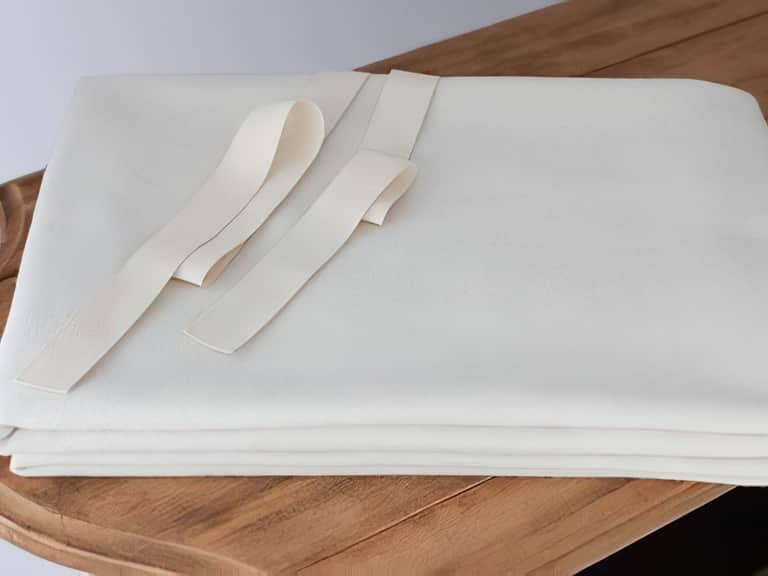
For comparison, the Savvy Rest Wool Mattress Pad uses natural wool and removable cotton corner ties rather than the Vispring model’s fitted skirt. Its product details describe a moisture-resistant weave, a fit for mattresses up to 14 inches, and hand washing in mild detergent followed by line drying. Those differences are useful reminders that two wool bedding layers can have distinct constructions and care demands.
When comparing products, look beyond broad material labels. Ask whether the filling is quilted or loose, whether the protector uses elastic or ties, what mattress depth it accommodates and whether the whole item can be washed at home. A material may sound appealing in isolation but prove inconvenient if its cleaning method does not suit the household.
Questions to ask before buying
A few practical checks can prevent a mismatch between the product description and the bed it is meant to serve. Start with the mattress itself: its size, depth, construction and current condition. Then decide whether the priority is protection, additional softness, temperature comfort or easier maintenance. A protector cannot do every job equally well.
- Does the pocket depth match? Compare the mattress height with the 13.75-inch pocket specification.
- How much cushioning do you want? A quilted wool layer adds some softness, but it is not a thick comfort topper.
- Is liquid protection essential? Do not infer waterproofing from the word “protector”; verify the construction.
- Can you follow the care instructions? Plan for gentle washing and low-heat or line drying.
- Will the fit suit the bed you own? Confirm dimensions, including any built-in pillow-top or unusual profile.
These questions are especially useful when the mattress is expensive or difficult to replace. A protective layer may help reduce routine soiling, but the exact benefit depends on construction, use and care. Clear expectations are more valuable than assuming every protector offers the same level of defence.
A quieter kind of bedding decision
Mattress protectors rarely define a bedroom, yet they influence how a bed is kept and experienced. Vispring’s cotton cover and British wool filling offer a considered combination: a breathable-feeling textile surface, gentle cushioning and a fitted design intended to stay put. Its usefulness rests as much on correct sizing and regular care as on the materials themselves.
For a mattress that fits the stated pocket depth, and for someone prepared to follow the gentle washing guidance, the protector can serve as a practical layer between the sheet and the bed beneath. It is not a cure for an ageing mattress or a promise of waterproof defence. It is a modest intervention—one that can help keep the sleep surface cleaner while preserving the feel of the mattress as the central event.
At a glance
- Materials: Cotton outer with British wool filling.
- Construction: Quilted protector with a fitted pocket and elasticated skirt.
- Pocket depth: 13.75 inches; measure the mattress before selecting a size.
- Care guidance: Gentle cold wash with like colours; line dry or tumble dry on low.
- Best understood as: A protective layer with light cushioning, not a thick mattress topper.